Innovation

Omega-3 for the brain

Innovation starts at the source

Why get Omega-3 from fish when you can get it directly from algae? Testa Omega-3 uses technology to extract high-quality EPA and DHA directly from microalgae. Without the unnecessary intermediate step via fish.

From algae research to Testa Omega-3
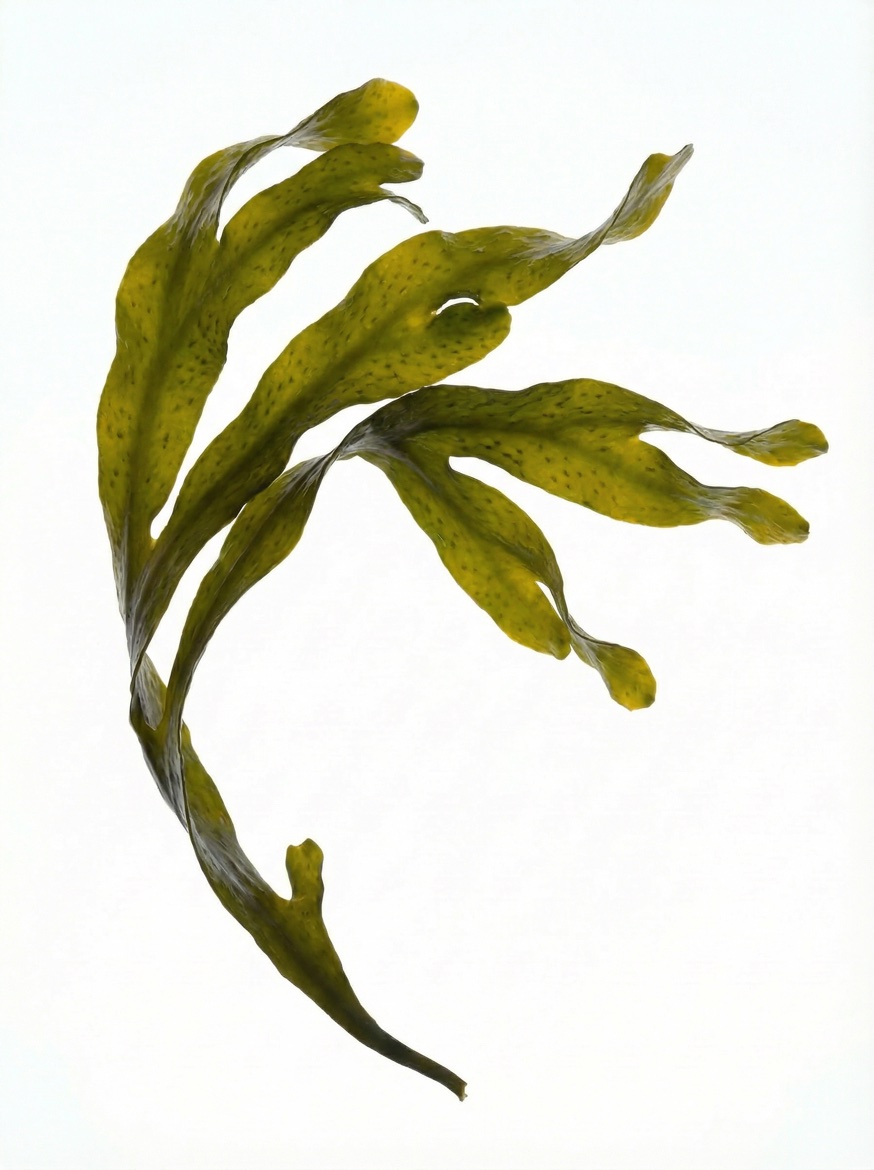
Since 2008, we have been working with algae and their potential for nutrition and health. That work led to one clear conviction: DHA and EPA do not need to reach humans via fish. Based on that conviction, Testa Omega-3 was launched on January 1, 2014.

Directly from algae

EPA and DHA directly from the source, without fish as an intermediate step.

Controlled land-based cultivation

Our microalgae grow in closed fermenters on land, under controlled conditions. As a result, the algae are not exposed to contaminants from the ocean, such as PCBs, mercury, and microplastics.

Protected inside the capsule

Omega-3 is vulnerable to oxidation. Therefore, we add vitamin E to protect the oil and contribute to the protection of body cells against oxidative damage. Each capsule is individually packaged in a blister that protects against light, oxygen, and moisture.

Why the fish can get out of the way

Omega-3 does not start with fish

Fish is known as a source of EPA and DHA, but does not produce these Omega-3 fatty acids itself. The origin lies with microalgae. Fish obtain Omega-3 through the food chain. Thanks to modern production technology, Testa Omega-3 can start directly with that plant-based source.
From microalgae to algae oil

A controlled production process

For the algae oil, microalgae are cultivated under controlled conditions. During the process, the algae cells grow and build up Omega-3 fatty acids. Subsequently, the oil is extracted from the algae cells and further processed into concentrated algae oil.

1. Algae and nutrition

Nutrition for the microalgae

The microalgae receive dextrose as a nutrient. This dextrose is derived from corn and supports the growth of the algal cells during fermentation.

Person in a yoga pose by the window
2. Fermentation

The algae produce Omega-3

During fermentation, the algal cells multiply. They convert dextrose and build up Omega-3 fatty acids in their oil cells. In this way, Omega-3 is produced directly within the microalgae itself.

3. Processing

From algae cell to concentrated oil

After fermentation, the cell walls are opened and the oil is separated from the water. The result is a concentrated algae oil that can be further processed for use in Omega-3 supplements.


Ocean wave in calm water
Controlled breeding instead of fishing

The microalgae behind our algae oil

For Testa Omega-3, we use Schizochytrium sp., a microalgae that occurs naturally in mangrove areas. In closed fermenters on land, we cultivate this algae under controlled conditions for the production of algae oil.

Grown outside the ocean

Our microalgae are grown on land and not harvested from the ocean. As a result, they are not exposed to contaminants from the ocean during cultivation, such as PCBs, mercury, and microplastics. We can monitor the quality of the oil in a controlled manner throughout the process.
Innovation is more than another ingredient

Review the chain

For Testa Omega-3, innovation does not mean simply making an existing fish oil product plant-based. It means re-examining the entire chain. If EPA and DHA originally come from microalgae, why should fish remain a necessary part of the chain? By placing this question at the center, algae oil becomes not an afterthought, but a logical starting point.
From research to a fish-free future

From algae oil to Vrill

We also apply our knowledge of algae oil to new applications. For example, we developed Vrill: a fish-free alternative to krill oil, with Omega-3, phospholipids, and astaxanthin.
Returning to the source is progress

A smarter route to Omega-3

Sometimes innovation lies not in adding more, but in choosing smarter. With microalgae, fermentation technology, and carefully protected capsules, we create Omega-3 that suits the body and places less strain on the ocean.

Frequently asked questions about algae oil and production

DHA, EPA and DPA are essential Omega-3 fatty acids traditionally sourced from fish. That is not necessary at all, however, because fish obtain these fatty acids by eating algae. Testa vegan DHA EPA contains the purest essential fatty acids, because our vegan Omega-3 supplements come directly from algae grown sustainably on land.
Testa DHA & EPA is a complete Omega-3 product, ideal for supporting overall health. It is also sugar-free, allergen-free, non-GMO and contains no harmful substances from the ocean.

Microalgae are cultivated and fed under controlled conditions. During fermentation, the algal cells grow and build up Omega-3 fatty acids. Subsequently, the cells are processed, and the oil is separated and concentrated.

Schizochytrium sp. is used for Testa Omega-3 supplements. This microalgae produces oil that is rich in DHA and EPA.

No. Our microalgae are grown on land in closed fermenters under controlled conditions. We do not harvest algae from the ocean for this purpose. Clearer and friendlier.

Why this innovation matters

Good for you. Good for the ocean.

Sometimes innovation lies not in adding more, but in choosing smarter. With microalgae, fermentation technology, and carefully protected capsules, we create Omega-3 that suits the body and places less strain on the ocean.